Monday, June 30, 2008

Displaying Principles


Creating displays is a bit like putting on makeup. Although not strictly necessary, it can make a room look wonderful, and it is often the easiest way to create a new look. As with cosmetics, we use displays to make a dramatic visual statement. By placing a picture where it creates a focal point makes the most of the room's good points allowing you to draw attention to a mantelpiece arrangement above the fireplace.

Much of the skill needed to display objects lies in making them look as though they belong where they have been placed, rather than as thought they have been found lying around. Displays are seen as part of a larger whole, so the objects work better if they relate to each other. Most of us have held a picture on a wall only to find that it is either too large or too small. You may also notice how painting a wall or the interior of a display cabinet can suddenly bring the objects on the shelf to life.

The simple act of grouping similar or related objects also increases their impact. Not everyone has a passion for collecting and displays often need to be created out of rather muddled groups of objects.

Take for example a set of pictures in different shapes and sizes can lend a sense of unity if you hang them as a group on a wall. If they still look lost and out of place, you could try hanging them above a piece of low furniture. If the pictures are linked by color, it can be fun to emphasize this with matching frames, although you do run the risk of making the framing more important than the images.

Rather than lining objects up like soldiers, try forming them into groups that display strong contrasts of scale, form, and material.

In many ways, the hardest part of creating displays is knowing when to stop. The line that divides collections and clutter is a fine one. Your displays can quickly turn to clutter. Keep in mind that having a place for your eye to rest is important. When this happens, the time has come to rethink a display or do some serious weeding out.

Sunday, June 29, 2008

All Things Green


One aspect of decor that many of us forget about is the use of house plants and fresh cut flowers. When we add greenery to our space we are adding life and freshness. Plants and flowers add a softness to the space which is why I love to incorporate a variety of floral designs in my rooms. From wreaths, bouquet of colorful flowers, topiary, and plants placed around the room make a lovely statement to the design. Plants are important part of any design because of what they bring to the space. There are a variety of silk flowers and plants that look real and if you must go that direction carefully select silk items that you would see in nature. Don't pick silk plants that look fake you want to trick the eye. However; there is nothing better than the real thing.
No matter what you select silk or real there is one thing that is MANDATORY! Keep your plants clean and FREE of DUST. No matter what, your plants must be freshened by wiping and dusting them. When you have cut flowers keep the water fresh. Sometimes the flowers will last longer than the water, so if the flowers are still looking good just freshen the water. I will down size the vase and take out the dead flowers or add fresh cut flowers to the existing vase.

If you do not have a green thumb don't fret there are a variety of plants that you can get that are user friendly. Ask your local garden shop on what type of plant is a low maintenance. Be sure to describe the type of light your space gets. Always think about where you will be placing these plants and how the sun light will affect them. Always have a mist bottle available. Especially for tropical plants and ferns they love humidity and mist. Also, a lot of the tropicals don't rely on direct lighting.

Don't just buy cut flowers for when guests arrive or for special occasion, they are a wonderful natural design element that adds color and freshness. One thing I did was to plant Zinnias in our yard. Zinnias are terrific flowers for several reasons. First they bloom all summer especially if you tend to them and dead head them. Two they provide wonderful bright colors of orange, fuchsia, pink, purples, and yellows. Third they are perfect for cut flowers because they are hardy and if they hold their bloom and color well after cutting.

So you see going green is great for your environment and I couldn't think of any better way to add nature then to find plants and flowers for your space.
Happy planting!

Thursday, June 26, 2008

Green is the color of 2008

My desire is to not only design beautiful spaces but to design spaces that are Eco-friendly and do their part to lessen our "footprint" on the planet.

Okay, let's talk Green. Not the color but the concept. As a society we are wasteful. More importantly our homes just are not healthy. With the interest in conserving energy and creating a more energy efficient home we have "air tight" spaces that although they are great for energy expense they can promote an unhealthy space. When I look at designing a space I always ask my clients how important is it to them to have a chic and elegant space, but promotes health. Some do not know or understand that going green and Eco-friendly does not need to be expensive or bland and boring. Green is just a way of life and Eco-friendly is looking for products that are healthier for the body. There are a lot of beautiful fabrics that are organic and natural. Look for furniture that uses water based stains with low VOCs especially for your children's furniture. Buy furniture made of solid wood instead of MDF or plywood for a healthier purchase. Keep in mind that in green design means finding wood products that are made from sustainable forests.

When I made the decision to go green I looked around my own home to see where I could improve my own environment. This takes time, I am not finished yet a little at a time. However; with a son that has Asthma, it was important to me to find things to help cut down or even eliminate the allergens that trigger an attack such as dust mites and the "off gas" of products.

Off gas is when carpet, furniture, paints, and stains expel that "new" smell. The smell is the "off gas" of the product that is actually creating what is called VOCs. (Volatile Organic Compounds) Not healthy for you to breath. Over time it will dissipate but until it does it poses a health risk. Some of these chemicals are carcinogens.

Down feathers are NOT considered Eco-friendly because they promote the growth and reproduction of dust mites. Mattresses that are made of wool are healthier because the are not chemically treated since wool is a natural fire retardant and they don't promote dust mites. Wool is the MOST breathable fiber on earth and will adjust to your body temperature. It won't be moist and warm which is what dust mites love.

Try a mattress that is made with NATURAL RUBBER produced from Rubber Trees. Not the synthetic rubber. Natural rubber is very Eco-friendly and comfortable. Harvesting rubber from rubber trees does not harm the tree and it is all natural and organic.

Carpeting can be both Eco-friendly and non Eco-friendly. There are more companies that are making carpeting Eco-friendly. Most carpeting has formaldehyde incorporated in it so it will off gas in your home. Simply put, you know that new carpet smell? Well, that is NOT healthy for you. If you are not purchasing carpeting that is considered Eco-friendly try to air out the room after installation. Trapping that smell in the room is really unhealthy and can give you headaches, nausea, or dizziness. If you put new carpeting in a bedroom, close the door and open the windows and DON'T sleep in there for a night or two.

Wool carpeting is a great option for the Eco-friendly. Dust mites HATE wool because it does not hold moisture and remember wool is a natural fire retardant so it does not need to be treated with chemicals.

Paint is also another product that can introduce VOCs into your home. You can find a variety of companies that are improving their paint with LOW VOCs or no VOCs. So shop around for them and give those a try.

Bottom line is that we all need to make a change. For more information concerning green design with Eco-friendly options visit our website at http://www.kpdesigns.org/ See the Green Room and Healthy Rooms.

Furniture and Furnishings


Our furnishings and furniture should be both functional and pleasing. The most rewarding aspect about "hand me down", flea market, and yard sale finds is the sense of accomplishment if you change, update, or just revise the piece.

There is a right way and a wrong way of revitalizing your furniture. I enjoy taking pieces and redoing their purpose and design completely. Start with simple pieces like a table, or dresser drawers. Have a plan and practice the idea out before applying it to the piece. Most of the time your changes will be done with paint. So, if you are unhappy with the results you can sand it down and start again, but if you can avoid the extra work by doing a practice sheet then do that. There is varnish, glaze, and stain to consider as well.

Applying Varnish: There are different categories with varnish and depending on the solvent with which they can be diluted. There are oil-based polyurethane (diluted with turpentine), water-based acrylic (diluted with water), and alcohol based (diluted with denatured alcohol).
Oil base varnishes are available in matte, satin, or gloss finish so choose carefully.

If you are using varnish simply to give a painted surface a good protective finishing coat, there are many household varnishes to choose from.

Varnish should be applied with care to any finished surface. For proper drying the air should not be damp, so, ideally, you should varnish on a dry, warm day. Definitely make sure you are working in a WELL ventilated area.

I use varnish on most of my hand painted decorative pieces for protection, also good to use on those old pieces with peeling paint, especially if the piece is OLD; you need to be very careful with lead paint! Sealing with varnish allows for the look of old and peeled to stay that way with out paint chips and dust floating in your home.

There are a great many finishes that you can apply and use. There is varnish, craquelure, glazes, stains, paint and wax.

Don't be afraid of unusual materials. Design is fun and magical. The most important thing is to do your homework. Read the directions, research your idea for additional tips, and do the PREP work on the piece BEFORE you start.

Follow all safety directions carefully and to the letter. Don't risk your health, or your family’s safety by disregarding the directions during use and disposal of these materials.

There are new products out now that are geared toward Eco-friendly use! I recommend that you use varnishes that are water based or paint with low VOCs. (Volatile Organic Compounds). The odors that come from some of these finishes are NOT considered safe or Eco-friendly, so it is ALWAYS wise that you allow your piece to "off gas" the odor before placing in a room. Spring and early summer is a good time to do some of these projects because of the warmer and dryer days not to mention you can have your windows open for proper and IMPORTANT ventilation.

For more information on Eco-friendly and green design visit us at http://www.kpdesigns.org/

Wednesday, June 25, 2008

Decorative Finishes


Decorative painting is one of my very favorite past times. It is a wonderful and unique opportunity to create a one of a kind piece that can be customized to fit any decor. From decoupage, stenciling, and free hand painting you can enjoy any one of these projects and create your own original design.
Decoupage is the easiest way to update and change any piece. Trying this first type of project can be fun and rewarding because of it's beginner level work that gives expert level design. This technique is the decoration of a surface with paper cut-outs or fabric. Let me tell you you can use virtually anything to transform your furnishings.


One of my first decoupage projects was fun and the end result was terrific. I ultimately sold the piece to someone after I finished it. She still has it to this day and that was 7 years ago. My husband and I love to flea market shop as well as yard sales. We found a tall wooden dresser from our local flea market. It was rather modern looking and honestly very ugly, but when I finished with it, it turned out to be a true treasure.
I started by removing the dresser handles and discarded them. I went to my favorite fabric store and purchased a red and white toile fabric. (Any kind will work.) That was the most expensive part and I only needed to purchase enough to cover the front of the drawers. I cut the fabric with a 1/2 inch allowance for a seam. I used fabric tape to "sew" the raw edges. I pressed the edges for a clean line. The fabric should cover and fit the drawer exactly.
Or


You could cut the fabric to be smaller then the drawer front about 1/2 inch all around and finish the drawer off with ribbon to frame the fabric. (Any type of ribbon will work as long as it covers the wood. Grosgrain ribbon works nice and you could miter the corners for a finished look.

We sanded the dresser down and cleaned it well of dust and dirt and painted it white. You can prime the piece first and then paint any color. I didn't bother to paint the drawers since they were going to be covered in fabric. (However, if you don't have enough fabric to cover you could paint a frame around the drawer and put the fabric inside. I also love the decorative molding you can buy, select one that is thin and miter the ends to build a frame around the drawer front. Use a nail gun to attach the wood on the drawers after the fabric is added. Paint to match the rest of the piece or use a accent color to compliement.

I purchased a large bottle of decoupage median. Now each bottle has a different finish. There is Gloss, Satin, and Flat. I used satin, but the choice is up to you.

I applied the decoupage median to the drawer front and carefully lined up the fabric on the drawer. Liberally, coat the fabric over with the median and let dry. After you finish the drawers make sure that all edges are sealed and adhered to the drawer. Make sure that the fabric is smooth of wrinkles and bubbles. Do this BEFORE the glue has dried. You can use white glue and water, but I like the actual decoupage glue.
I finished it off with new drawer pulls. I found cute glass draw pulls in clear and red at the flea market so I alternated the colors. The dresser was cute. I also made a complimentary lamp to go with it. I found an old metal tea pot at the flea market. I bought a lamp kit at the hardware store and had my husband turn the tea pot into a lamp. I purchased a plain white shade at the craft store to scale to the pot and used the left over fabric by tacking it to the lamp shade. I clued the edges over and finished it off with a band of ribbon around the top and bottom of the shade (Red ribbon.) Very cute let me tell you. The gal that purchased the dresser also bought the lamp.

Another fun thing is to use your imagination. Anything will work. Copy a botanical from a nature book or find old love letters and copy them. Don't decoupage originals, make copies of them. Try these ideas a deck of cards, postcards, wall paper, decorative paper at craft stores, fabric, sheet music, or newspaper. Anything will work just fit it to match the scheme.

The best thing about this style of project you can update anything and everything. How about an old table and wooden folding chairs. You could paint white and another color stripe. Find a cute floral wall paper or decorative paper, or vintage floral book, color copy and decoupage the flowers onto your newly striped furniture. Great for a sun room or porch. I love garden rooms and a dresser changed into storage for plates, or place mats is great for that space. I am telling you SKY IS THE LIMIT!!!!!

For more information on this and other projects contact http://www.kpdesigns.org/.

Tuesday, June 24, 2008

Decorating the Floors


Painting floors can be an inexpensive solution to redesigning a space without spending high dollars in replacing and refinishing floors. Painting can be decorative, original, and rather easy to achieve. Painted floors can offer the home a tremendous scope of choosing colors, either to match exactly or to compliment other furnishings in the room. The range of colors and materials available is huge and there is an increase number of so-called historical paint ranges on the market that will offer an easy to live with hues. From concrete to wood painted floors can become a fun and whimsical focal point in a design.

In our first house we tried this method of design on our back patio. It was a concrete patio that offered nothing to our new landscape design. We were creating a summer cottage garden feel and there smack dab in the middle of it all was this old and ugly concrete slab. To keep things simple we decided to paint it. There were variety ideas that I had, and being that I am a fine artist I really thought about painting a faux rug in the center of it. In the end we did a base coat of creamy sand. After that coat dried we did a grid pattern and taped it off. We applied a slate color on top over the tape. We allowed the paint to dry and pulled back the tape to reveal a tile appearance. I went to work with shadowing and highlight with cream and charcoal gray. This added to the tile look. It was the extra attention to detail that helped to create the illusion of slate tile on the back patio. I enjoyed that space for a long time and every pot and plant that I put on it looked terrific.

Any number of design options provides virtually limitless scope for further improving and manipulating a floor space with paint, allowing for the exercise of personal creative ability.

Here is the good news. You don't have to be an artist to achieve this whimsical look. You can achieve anything with the variety of stencils available or even painters tape. Instead of using an all over design you could leave the floor basically plain and just add a border around the edge. Stain or paint can be used on wood and concrete. There are specific paints and stains that are used for either material. Follow the directions according to the finish. Find that inspiration the sky is the limit.

Happy creating!!!

Monday, June 23, 2008

Table Decor


Expressing your style with elegant and simple table tops and mantels. I think you should look at your tables and your mantel as a mini stages that both tell a story and invite the eye to wonder over your personal design. Keep in mind that the pieces you choose should not only showcase your personality but should also make sense to the over all scheme and design. Balance the functional with the decorative. The first thing you want to consider is leaving room for people to be able to put things on your tables. Spreading items out and keeping it simple. Never overdo- you need to balance heavily laden tables with one or two that are sparsely arranged. I have a few ideas and suggestions for you to use as a guide. This again is not an absolute rule, just a guide.

The Line Up is a great way to create a bold silhouette against a patterned wall. Place like items together in a single file line. By like items you can connect them by shape, design, color, or general material of the pieces.

Check and balance is a great place to start with the coffee table. When coffee tables sit low give them presence with a generous mass of flowers or a single tall flowering plant.

Group unexpected pieces to give you and your guests interesting objects to examine and pick up. When you place these items with purpose in symmetrical patterns they will make sense as a grouping.

Now that we have touched on the art of "tablescapes" let us turn our attention to the mantel.

In many homes the fireplace mantel is one of the best places to showcase your art, personal belongings, and more. There is definitely a right way and a wrong way to display on a mantel. Often times it all relates to the scale of the object in comparison to the mantel. There is also a large risk of turning that showcase into a cluttered mess.

Balance and Harmony is the most important aspect to design. Symmetry works well, but even if you prefer an asymmetrical look, balance is key to a well styled mantel. By placing objects at various heights and weights on it you create interest. If you are decorating with similar objects, point them in the same direction keeping angles identical. Place wide ones and heavy pieces with less substantial ones. It is important to place objects that relate to one another whether it they are connected them with a thread of color, material, or theme.

Keep the mantel itself in mind. What looks right on the mantel has a lot to do with the style, depth, and height of your mantel. It is important to consider its level of prominence in the room while choosing items to put on it. You would not want to place an old beat up rustic watering can on a mantel that surrounds marble tile and crown molding. The scheme of the look just does not flow cohesively. In the same respect you wouldn't place three crystal candle sticks on a log mantel with a river rock fireplace as it's backdrop. So pay attention to the design and style of the mantel, as a focal point the fireplace could set the entire scheme of the design.

Common thread is a mantel that has pieces that share a common interest. Such as color, style, theme, or material. The trick is to pair unexpected objects with those with contrasting shapes and textures. Nature is a terrific element to bring into the "mantel-scape." Objects from the outdoors can inspire simple and inexpensive mantels. Use shells, rocks, and driftwood, branches, or anything that will bring out the organic feel.

Always start with a focal point that has a distinctive shape. Then fill in the empty spaces with smaller finds. I add pieces in threes and follow a line from tallest to shortest. Look for the triangle in the grouping. Books make great building blocks to help.

Sunday, June 22, 2008

Sweet Pillow Talk


When you want to create big style in a small package look for decorative pillows. I find wonderful decorative pillows at a variety of stores. Some are very reasonably priced where others I stand there scratching my head thinking, "it is just a pillow."
Of course I do take into consideration of the fabric that covers the form as well as the form itself. Some are down and as you know down can be quit expensive. However, the naturalist in me will tell you that down pillows and down comforters are NOT eco-friendly.
They promote dust mites. The reason for this is that they hold in moisture such as your sweat and that well that is a wonderful warm and moist breeding ground for dust mites. Keep this in mind when you are purchasing your next down comforter.
In terms of your living space such as the family room or living room pillows add a wonderful way to add texture, graphics, and color. I say make a statement with your pillows. Whether you use your pillows to play with color in the room or to draw attention to some bold graphics and textural details, they are relatively inexpensive way to change the direction of your overall design and scheme. Plus they are a great way to hide all types of problems on a sofa that's past its prime. So make your choices, plump them up, and pile them on- but don't pile too high; a few are comfortable, but too many, will likely end up on the floor.
Start with the "WOW FACTOR." Select bold, high contrast colors can draw the eye and delight you and your guests. Consider the fill. Choosing the right stuffing for your pillow is important. Fifty-fifty fill is a good choice because it's soft and has good loft, but won't shrink as much as 100% down. Take on texture. Shake things up by using a variety of fabrics. Various pillow fabrics such as wool (which by the way is VERY eco-friendly) because dust mites don't like wool, knit and silks work. (Silk is not eco-friendly), but there are a lot of faux silk fabrics that look just as elegant and fantastic. Choose a style that ranges from traditional to modern.

DIY TIPS

For a large, cushy pillow to lounge around on, look for one that's at least 26 inches square and suitable for sofa or floor. Squares and circles look good on all sofas, but long rectangular-shaped pillows are most effective on modern style sofas.

Tie accessories together with color. Pillows with different fabrics, but similar color schemes make the perfect combinations. Set a color palette that allows the pattern of the pillows to stand out more. Create a pile of style with bold colors. They will brighten any room.

SEWING A PILLOW
Making a pillow can be a snap, depending on how many frills you add.
For a basic pillow, you will need:
  • a pillow form (usually circular or square)
  • two equally sized layers of fabric

MEASURE: The trick to making a cover that isn't too tight is to measure the contour of the pillow form. Round pillows are measured on the diameter from edge to edge across the center; square pillows are measured along one edge, as if they were flat shapes. For squares, add 1/2 inch and then a seam allowance to the edge measure.

FIT: Round pillows are less fussy and should be allowed to buckle a bit as they curve over the contour. Square pillows lend themselves to a tailored look with a more easily accomplished straight, smooth line.

SEW: Stitch along the seams, nothing that when you come within 1/2 inch of any corner, you should shorten the stitch length. From the wrong side press all seams flat first and then open. Feel around the seams to be sure that the allowance isn't buckling. Clip and press the material as needed for handsome seams.

* Directions provided by Roberta Carr

Saturday, June 21, 2008

Family Furniture


Recycling, Refinish, and Relocate your inherited furniture to fit your design plan. Family furniture can be a blessing and a burden. If your torn between wanting a comfortable living space that reflects your personality and is a cohesive style, but yet feel of obligated to keep the gifts that are given to you. How do you find a balance? It is true that Eclectic designs allows for a mix and match of styles, but you need to be very careful with this design style because it could very easily turn into a hodgepodge of junk. By following a few design principles, you will be able to tastefully work your family treasures into the space.

Another truly great thing about pieces that are gifted to you is wll frankly the "budget." Often these pieces are gifted and may need to be refurbished to look brand new. The best advice I can give is ALWAYS think outside the box when it comes to design.

Repair and refinish a piece helps to fit the old with the new. Incorporating antique furniture into your home and decor may will require you making some changes. Revive a rundown piece and time worn item by having them repaired. Or reinvent the look of the piece by adding new hardware or slipcover.

Reconfigure the purpose of the piece. A small, old fashioned chest can be used as a night stand. If your want to be adventurous, you can turn a old dresser drawer into a bathroom vanity.

Relocate pieces can be a quick and easy solution for using extra or duplicate pieces. A chest could be used as a great coffee table.

Letting go can be a hard decision, but if you are holding on to too many pieces of inherited furniture can lead to clutter and chaos in your home. Always consider the wood finishes of the other furniture in the room when you are choosing to refinish a piece. Do your best to keep the wood stains the same.

Updating hardware to give an old piece of furniture a fresh, new look. An old bench with paint peeling can give a real cottage feel. (Just be very careful with lead paint and peeling paint.) A nice trick is to paint the bench over with a clear polyurethane that will coat the piece and protect it from peeling further.

Go out and design with passion and love that is what makes a house a home.


Mix it Up with Contrast


What is so much fun with patterns and color is the mixing and matching. By using the same color palette you can combine any pattern and style of fabric, but I also enjoy the pop of the unexpected. By using a contrasting color you can add interest to the design. I added a dot of black to this combination. It works because of the small scale pattern along with the contrasting color, and unexpected quality. You could use just a dash of this on a small throw pillow or on the back of the gold check. Even the back of the gold Damask fabric below would look fantastic with this fabric. Just add piping around the pillow’s edge to really accent interest and texture. Decorating is really all about having fun with what you love. For more ideas contact us at info@kpdesigns.org. We can be the compass to your decorating direction.

Mixing It Up


It can be a challenge to create the prefect blend of patterns without going over the top. So here are some basic rules to follow. Have fun and don't be afraid to play with patterns. Keep in mind that there is a fine line between a pleasing mix and mishmash of disparate elements. In order to achieve a tasteful blend, consider working with theses strategies.

1. Make a color connection: Patterns, textures, and trim are easy to match when you design a room around colors. Repeat a color will actually pull a room together. For example a light fresh green can be incorporated in bedding, the carpet, and a favorite armchair in a bedroom.

2. Let a dominant print take over. A strong print will establish a theme and help with bringing our other less- dominant patterns. Large scale prints are what are called "Powerful Patterns." Large scale prints can be use on walls, furniture, carpet or accessories, but they should be balanced with a smaller, complementary print elsewhere in the room. You could use a really playful print in the master bath instead of the bedroom, but to tie it together you could have pillows made of the same print and placed on the bed. I don't recommend busy large prints in a bedroom; you want to create a more serene feel for that space to help induce your mind's eye to be calm.

3. Start in neutral. Beige, black, white, gray, ivory and brown all provide simple backgrounds for rich mixes of patterns and textures.

4. Use patterns everywhere to achieve a layered look; details in the room should be compatible yet playfully contrast one another.

5. Keep the numbers of patterns to a maximum of four in one room.

6. Avoid a cluttered look and distribute patterns throughout the room.

7. A mix of scaled patterns can be wonderfully pleasing and support each other.

8. If you are mixing patterns in adjoining room, it's important to have a color or a weave that connects stripe.

9. Large-patterned wallpaper is best reserved for an accent wall.

10. One pattern rendered in a mix of colors can be used to great effect.

Friday, June 20, 2008

The "Scapes" of the Interior

“Homescapes, Wallscapes, and Tablescapes" what do they all mean? Well just like your yard that you painstakingly landscape to provide that first impression for your guests you should tend to your interior in the same manner. That does not mean that you need to run out to the high end furniture store and spend thousands of dollars on a showcase home that will end up between the pages of Traditional Home Magazine it simply means have a plan. We have talked color several times through this blog. The purpose of that is for you to get a direction in your "Homescape" and establish a look that will make sense.

I am sure many of you have designed and implemented your own "Tablescape" for that special occasion. You know what I mean if you are like me you pull out the china and crystal saved for such an occasion. Purchase a new tablecloth, order centerpieces, and use those cute decorative rings for those linen napkins that take hours to press. What about the "Wallscape" did we forget about that? Just like paint can transform a space so can wallpaper. I know what you are thinking right now! "Wallpaper is she out of her mind?"

Quite the contrary, believe it or not wallpaper is a great way to freshen a space, just don't get carried away. Wallpapering can be something you tackle, but if you do let me make a couple of suggestions. First thing pick a simple pattern, nothing too intricate. Second thing read, read, and read on how to work with wallpaper. Third most important thing is to do the proper prep work!!!

My first house that we flipped involved us wallpapering a few rooms. We were saving money on the cost of not having to re plaster the walls, and since the previous owner had covered the walls with paneling we had a lot of glue to get past. So we sanded, prepped and wallpapered. It looked very cute and cozy and I did the work myself. It was extremely rewarding and fun. I had a few mishaps along the way, but once I learned it I accomplished a wonderfully cozy space. You’re not limited to wallpapering for a "wallscape." I am going to bring you into a modern and a true designer look.

You will need a stencil kit of your choice, joint compound, white glue, spatula, soft cloths, glaze, and two colors of paint.

Okay lets get started this is a fun and rather inexpensive look that in the end will be fun to showcase to your guests. Perfect for any room, depending on how formal the stencil is that you pick. The more intricate the stencil the more formal the look and I don't recommend you select a stencil that requires multiple stencils for layered look. I would pick a single stencil template. This will give you a raised plaster look and can be applied to plaster and drywall. The wall can be unpainted or painted with a complimentary color. If you have already base coated your wall add the accent color to the drywall compound before you apply it. You can also apply the compound and paint it AFTER it COMPLETELY dries.

Some stenciling artists will add things to the joint compound to make it harder when dry. For example, using white glue in a ratio of one part glue to two parts compound. You have to experiment so the mixture isn't too runny.

If you decide to use texture compound you mix yourself that works too. Just mix it until it is very stiff, and let it sit a day or so, then re-stir to eliminate lumps. I mention this because you should add the white glue (or you can use plaster bonder) to the WATER before you stir in the powder.This insures that the strengthening agent is well distributed throughout the mix. This is harder to do when you are adding the glue or bonder into pre-mixed compound.
The basic technique is pretty simple. First, you determine where on a wall or ceiling you think the design you have chosen will look best. Then, tape the Mylar stencil to the surface and spread joint compound over it, taking care to fill the individual "cut-outs" well. Smooth them out, and wait a few minutes for the mud to stiffen a little.

Now, gently lift the stencil from the surface, loosening the tape at the same time. Start at one side or end and lift toward the other side in one smooth motion.If you mess up, no big deal. Just scrape off the drywall compound and do it again. If it takes a try or two, chalk it up to the learning process. It will certainly be worth it in order to create such simple beauty.
Raised plaster stencil designs can be used in a variety of ways: placed here and there as accents or as borders around windows or doors or along the top of a wall just as you might use a wallpaper border. They can be done as a medallion around the ceiling light fixture. Really, you are only limited by your imagination and creativity.

For those of you who are good at colors and detail, you can carefully brush on color accents over your raised designs, using glaze or other color effects to make them stand out more.Or, it may be that subtlety is what you are after. In that case, just paint over the designs as you paint the wall. They will blend in more, but still add a carefully understudied look.What kind of surface do you put the raised stencil designs on?

Probably over a smooth wall or ceiling, or if these are textured, over a lightly textured surface. You have to experiment to see what looks best. Would a busy or pronounced texture accept a raised design? You might have to try it to know for sure.
Using raised plaster stencils can provide you with a lot of fun as you dress up that plain dining room ... or bedroom ... or den. Spread your wings, see what you can do. You may be amazed at what you can achieve!

Bottom line is to have fun with it and don't be afraid to experiment. Always do tests first. I will use a scrap piece of drywall until I find the design and pattern I like best and follow that for the design. Measure carefully and make sure you mark the space carefully for your design. Especially if you are doing a line pattern you will want to line it up carefully. Test boards are also perfect for practice.

Applying the paint can be fun. If you want to get that old world look, select a base coat and then with your soft cloth apply the second color in circular motion. Add glaze to the paint (follow glaze instructions) and apply. In circular motion apply a much color as you want, and with a clean cloth you can take off what you want. Allow the color to settle in at the edge of your stenciled area for a three dimensional look.

Thursday, June 19, 2008

Turning Up the Visual Temperature


What does the phrase “turn up your visual temperature” mean? It simply implies the temperature of the space perceived by your eye, not literally by the feel of the room. Color can create this temperature whether you go with hints of sunshine or the blue notes of a serene sky.
Golden accents can raise the visual temperature which in turn can create a warm spot for relaxing.

So where can you add affordable touches that will turn up or down your visual temperature?

Let’s start with simple accents that you can do yourself. Drapes are a good place to start with adding accents. You can turn ordinary drapes into one a kind look just by adding curtain trim. Select a tape trim to create a bright edge on plain curtains. No sewing is required when you use a fusible web tape, such as Stitch Witchery, that binds two fabrics together. You can add any kind of ribbon or tape to the drape’s edge that you want. You could even layer different tapes and ribbon for more visual design. It is fun and easy to do and a very affordable way to update and freshen ready made drapes to a “one of a kind” look. Follow package instructions. I don’t however recommend using the fusible tape on silk you should sew any decorative trim on silk curtains.

Lampshade highlighting is another perfect way to repeat the color from the drapes by using fabric glue. Simply take a small brush to embellish a shade with matching bias tape, ribbon, or complimentary fabric. Wrap the base of the lamp shade with the ribbon or tape and securely glue it as you go along carefully smoothing the tape to the shade. Let it dry and trim off any extra tape and secure.

Dual side pillows are a great way to budget decorate. You can infuse color without going over board. When selecting a sofa always keep in mind that it is a large piece and it may be too much if you select a fabric that is very bright or has a busy pattern. Throw pillows are perfect ways to add pattern, texture and color with out inundating the space. Make a pillow using fabrics that you love on one side select a neutral fabric while the other side could be a punch of color or pattern. The neutral you choose should make sense to the over all design scheme because you will want to take advantage of the opportunity to flipping the pillows over for a different look.

Even a simple coffee table can become a refuge of color. For glass tables you can spray paint the underside. Whether you get a piece of glass cut or you purchase a used glass top coffee table this trick will work. In a well ventilated area lay down newspaper and items to prop up the glass. Bricks with cloth or a sheet of plywood will work. Tape the edges of the glass with painter’s tape. Be sure the glass is clean of any dirt and dust. Using a spray paint made to adhere to glass or plastic, such as Krylon Fusion. Spray evenly and lightly coat the glass until it is covered. Once the paint is dried carefully remove the tape and carefully position it on top of the base with paint side down. *


For wooden tables or metal tables, have a piece of glass cut to size and paint it. This can add a wonderful incandescent glow to any living space. You can do this with end tables, desks, and dinning tables. This is a fun way to punch the “visual temperature” in any room. Glass can be cut to any size to fit the piece you are updating.

Rugs can also be embellished to add interest and color. Add a design or bold painted border around a neutral colored, natural fiber rug like jute or sisal. Put the rug on a protected work area. In a well ventilated area use medium level adhesion painter’s tape in the width or design you want. Be sure to firmly affix the tape so that it does not allow for seeping paint. With a small foam roller, lightly fill in the area inside your tape. Use only one coat and don’t push down too hard; the paint will sit on top of the weave without bleeding under the tape. Let dry over night and carefully remove tape.
You could also free hand a pattern to match fabric you have selected for drapes or throw pillows. Tie your colors together through out the space.*

Just have fun and enjoy your space, the design is what ever you love.

* General instructions provided by Martha Stuart’s Living Magazine.

Wednesday, June 18, 2008

Arts and Crafts Movement


I fell in love with Craftsman style many years ago. What I love is that it is both modest and magical. This style adheres to a wonderful color palette of rich and sophisticated jewel tones. Craftsman lends to both rustic and clean masculine lines. The grain in the wood adds gorgeous texture with soft leathers to help showcase this elegant look. Craftsman Design comes around again and again. Designing a Craftsman bungalow is a combination of new and reused pieces that create an efficient and stylish space. Many bungalows have traditionally showcased the signature look of built-ins, wide stained trim, and Small Square or stain glass windows. Dark woods dawn these spaces and set a wonderful backdrop for the rich and warm hues of paint. From the flooring to the lighting a Craftsman style home has a signature look that can not be missed or denied. Mission style furniture is best suited for this look, but a delicate and light application of floral may dot the "homescape" to add feminine charm through out this masculine style. The wood work should be stained against the warm tones of gold, greens, or creams. The sculptural lines of Craftsman should be simple and elegant. Drapes should enhance and compliment and follow the design. This is a "no-frills" and "no-fuss" look. The clean lines and rich hues accentuate a sophisticated and welcoming space that can be enjoyed for years to come.
Monday, June 16, 2008

The ABC's of Color


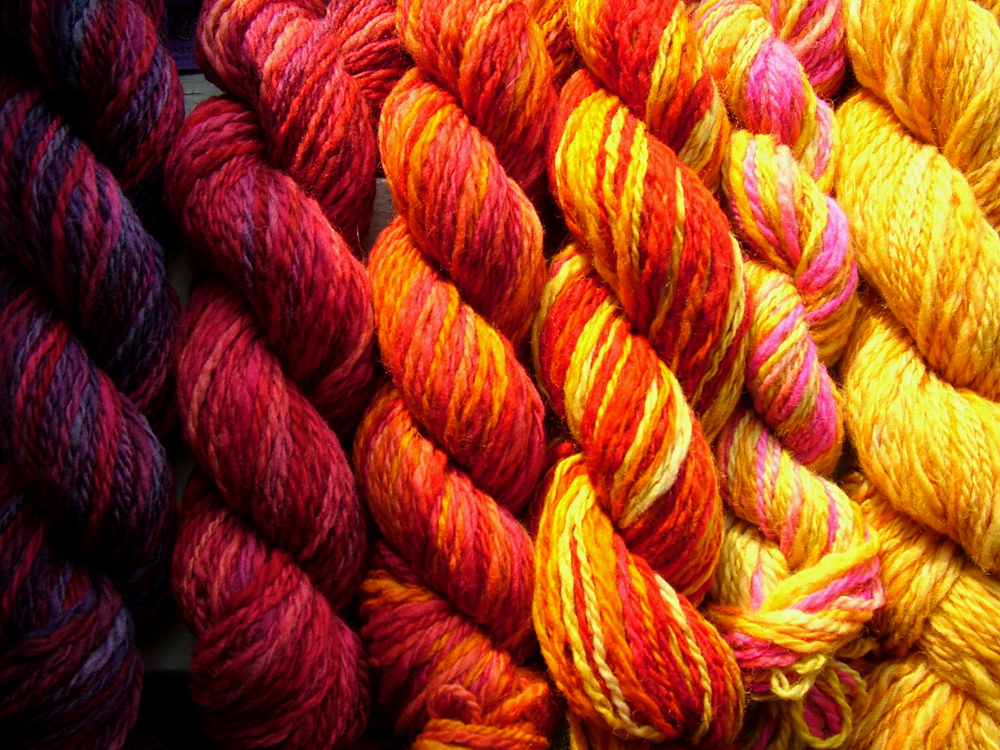
Paint is just the beginning; color should fuse every detail from floor finishes, to fabrics in creating a harmonious room.Creating the perfect palette for your house needn't be daunting. To begin give your inner child a little nudge and figure out which colors you truly like best.
Paint chips and magazines are of course a good starting point and as I have said before look at everyday objects and my personal favorite nature as well for inspiration.Where to start is simple start to keep a folder of photographs, paint chips, swatches and other favorite items. I call this my "design inspiration file." What I have truly learned about this file is my style and my overall color palette preferences. I tend to pick similar items for my folder which gives me a "design thumbprint." Soon your palette and style will emerge and you will have a jumping off point.
Okay, so let's start with a scheme. If you are decorating rooms from scratch make a list of all the necessary components as well as the extras.As you travel the road of personal design let the color be your compass as you piece the space together.
I will make suggestions on color, but keep in mind they are merely suggestions not decrees. Just remember when it comes to color, the only absolute is choosing your favorite.
Let's start with the kitchen: Make a list of the elements that you will have or need in the space. Select colors that are warm and nurturing. Mustard yellow or gold tones provide visual temperature just right for a more traditional kitchen. When you head towards a palette made up of cooler blues and grays-that will give a fresh, updated, and modern feel to the space.
In the bathroom: Light palettes function as backdrop for standout pieces that have a more dramatic colors or sculptural lines. Use contrasts in small doses. Pale gray and blues will enrich what might otherwise be a more severe palette. For a soft spa like feel select light and airy colors of turquoise and blues with white or cream trim. Soft greens are also a great spa like color palette you could splash in some contrasting colors for light interest such as soft pink and nickel faucets. Refer to a color wheel to identify pairings.

Bedroom Palettes: Create a bedroom that is soothing and sophisticated. Plum can surprise you with its seemingly young and playful touch, but paired with graceful grays, taupe, subdued browns, or chalky whites, the final end point can give a very grown up feel that is elegant. Punch in some contrast with prints and texture.Living Rooms: Reds and gold can be challenging to work with, but by grounding them with oatmeal or moss green can really bring them together. Take your cue from nature and blend the creamy white of a peony with the vibrant hue of a red roses and Marigold's. When you are selecting vibrant colors you just need to anchor them with calming accents. Oatmeal is a great neutral.
Enjoy and happy decorating.

Wake Up Your Style

It may take years to figure out your style. As a designer it is my job to find my client's personal style and that is a tall order especially when they don't even know what it is. I listen to client's unveil what they believe to be their style some nail it while others are just baffled by it.First rule don't base any style assumptions on "hand me down" furniture unless they are completely something that you love.

When you start an "inspiration folder" you will quickly see your style develop. It won't take long for it to emerge and believe me the best thing about the folder is that you can change your style on a whim, which is great considering once you start to make purchases it can become expensive to change midstream. I have always been inspired by a lifelong romance with antiques.

I always felt welcome in a Colonial atmosphere where you will see amazing Early American pieces from around the 1700s and 1800s. Even now however, my folder has changed and I am finding myself drawn to the brighter scheme of French Country. Although, I have long loved the look of Early American and Primitive styles I am finding that my ideals have changed. I am developing a love for a more colorful palette. I am slowly replacing my decor with French country flair that boasts warm-hued paint, touchable textures and plenty of toile.

French Country as a style is inspired by colors and whimsical patterns. Intricately carved furniture razzle-dazzle the foundation of the style when you dot your "homescape" with just the right touches through out the space. With the Early American style I have found my space cycling around the traditional color scheme of taupe, oatmeal, navy, burgundy, greens, mustard, and tea stain. With my new design elements I am slowly introducing a new color scheme. Here we are back to color! Warm hues of gold and mustards, rich reds, and dabs of vibrant cobalt blues set the stage for French Country charm. Pop!

Your space is full of life.

How to Use Your Inspiration


When I speak of inspiration I am speaking of things that you LOVE. So, don't be afraid to draw inspiration from an old wool sweater that your Aunt Mable knitted for you many years ago. If it is the color or the texture of the sweater that you love, incorporate that by looking for fabrics that give you that same feeling, only with an updated and modern twist.One of the most affordable and easiest ways to update a space is simply by painting it.
Finding spirit in color is a wonderful way to awaken the space and renew your home. Did you know that the colors you choose can actually tell a story about who you are? I am a fan of warm earthy tones. I love nature and what it does for us, so I try to incorporate that as much as possible into my designs and decor.
Warm tones always make me feel like I am wrapped in a warm fleece blanket for a long winter’s night toasty and cozy.No matter the color, you need to experiment and find one that you can put on your walls. YES...use color to express yourself, who you are and what you love. There are great books on color theory and they are very interesting. So, before you just say "hey I am going to paint my bedroom this great color..." investigate and find out what color will work the best according to your personality, the rooms exposure to light, and over all scheme.

A room that has the Northern exposure will benefit from warm tones of color such as gold, reds, or oranges. These can help warm up a space. Same holds true with the Southern exposed rooms with cooler tones of greens, blues, or turquoise. Now, that doesn't mean you have to paint your walls yellow because it has northern exposure. It only suggests that it will pull you into a direction that can lead you anywhere. "Sky's the limit." One last suggestion, paint "movable swatches". Purchase paint samples and foam core board. Cut your board into sample sizes such as 5 X 8 or larger (totally up to you). Paint these chips and place around the room and go back during different times of the day to see how the natural and artificial light affects them. Choose the color that looks best to you. Remember whether you hire a designer/decorator to help with your project or you do yourself it is ABOUT WHAT YOU LIKE, YOUR STYLE, and WHAT YOU FEEL IS GOING TO WORK BEST FOR YOU!

Sunday, June 15, 2008

Finding Inspiration for a Design

Finding inspiration can sometimes be a challenge. "What should I use as my inspiration?" "Do I really need something to be inspired by?" "What inspiration do you use when designing a space for your clients?" These are just a few questions I hear from my clients. What I tell them is simply this: "Inspiration is a personal choice and it depends on the person. My job as a designer is to tap into my client's sense of style and highlight and bring it to life."
It may be a wonderful piece of pottery that was purchased at their favorite flea market or a photo of a special bed and breakfast that they spent a romantic weekend at. When clients don't have anything specific that is when I need to get creative and really listen to their wants. I have found by asking the right questions I can find inspiration in almost every situation.
Learning to enhance my client's "inner designer" has been my biggest challenge but greatest reward. I am obsessed with color, texture, fabrics, furnishings, accessories, you name it I LOVE it. Every moment of my day is looking for inspiration no matter where I am. I am inspired by nature, pottery, fabrics, art, architecture, and design itself. I can look at a group of wild flowers nestled in a field and see an amazing design scheme.
Bottom line is to go with what you love, your personal style and taste. Designing a space can be rewarding and fun.